- 1halls
- 2parse
- 3stemmed
- 4recognition
- 5spel
- 6traced
- 7mouthed
- 8mace
001
•
Open edition
For her debut release on World of Knots, label boss Gigi De Lacy reveals her most intuitive work yet; an album less concerned with the diamond cut, meticulous sound design prevalent in her previous works, and more intent on exploring the alchemical reactions that occur when sound is given the freedom to breathe and interact on its own terms.
Compiled from pieces created over the course of a few years, as opposed to the more consciously unified and often feverishly recorded approach of her previous works, double take recognition violence presents itself not as a definitive album statement but rather as an honest documentation of an artist attempting to unlearn old habits while allowing instinct to take the lead. Capturing a sound that mirrors the complex interplay that takes place within our own biological systems, double take recognition violence seeks the invisible line where human input and unpredictable, autonomous sounds can meet symbiotically and work together to unearth new sonic languages.
The warm mechanical whirl of halls announces the album like a long dormant machine slowly humming to life, a powering up of internal mechanisms that feels so appropriate for an album of such an intensely tactile nature–a reminder of the importance of the equipments voice as much as the artist within the context of this work. While the more front and centre percussive tracks like parse and traced occupy similar polyrhythmic territories as 2024’s Thought Makes Music, everything here feels much more obscured and exoskeletal, the mere silhouetted forms of source material stretched to the outer limits of recognition. double take recognition violence is a work that approaches its own sentience, reacting and self-regulating – in communion with its own internal mechanisms – casting its shadowed rhythmic interplay across negative space.
All music made on Wangal and Gadigal land by Gigi De Lacy.
Mastered by Rashad Becker at Clunk.
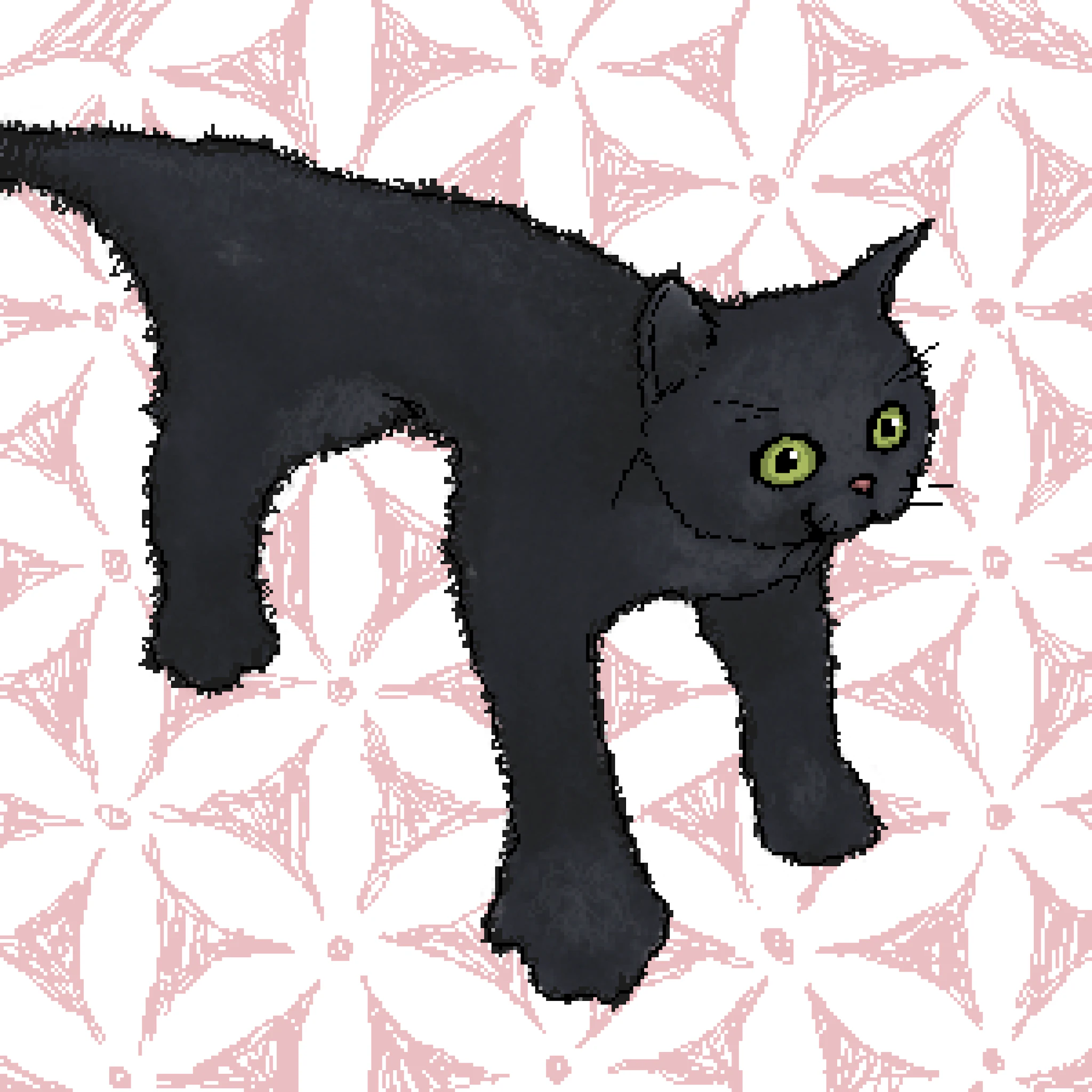
Front cover image: Orson Heidrich work-in-progress image taken by commercial fabricator, 2022.
Words by Ryan Mandelbaum.
Compiled from pieces created over the course of a few years, as opposed to the more consciously unified and often feverishly recorded approach of her previous works, double take recognition violence presents itself not as a definitive album statement but rather as an honest documentation of an artist attempting to unlearn old habits while allowing instinct to take the lead. Capturing a sound that mirrors the complex interplay that takes place within our own biological systems, double take recognition violence seeks the invisible line where human input and unpredictable, autonomous sounds can meet symbiotically and work together to unearth new sonic languages.
The warm mechanical whirl of halls announces the album like a long dormant machine slowly humming to life, a powering up of internal mechanisms that feels so appropriate for an album of such an intensely tactile nature–a reminder of the importance of the equipments voice as much as the artist within the context of this work. While the more front and centre percussive tracks like parse and traced occupy similar polyrhythmic territories as 2024’s Thought Makes Music, everything here feels much more obscured and exoskeletal, the mere silhouetted forms of source material stretched to the outer limits of recognition. double take recognition violence is a work that approaches its own sentience, reacting and self-regulating – in communion with its own internal mechanisms – casting its shadowed rhythmic interplay across negative space.
All music made on Wangal and Gadigal land by Gigi De Lacy.
Mastered by Rashad Becker at Clunk.
Front cover image: Orson Heidrich work-in-progress image taken by commercial fabricator, 2022.
Words by Ryan Mandelbaum.